UNESCO launched the Man and the Biosphere programme (MAB programme) in 1971 to introduce a new concept: the biosphere reserve. These are areas where ecosystems and human activity can coexist in harmony. This model now guides global efforts to balance agriculture, culture, biodiversity, and sustainable development.
Agriculture and the wine industry often strain ecosystems. MAB offers a framework that supports agricultural production (vineyards, olive groves, rice fields) while also protecting soil, landscape, and cultural values. This model proves especially relevant in winegrowing regions where heritage and environmental care must go hand in hand.
What MAB is and how it supports sustainable agriculture
The MAB programme connects natural and social sciences with sustainable economic development. Unlike national parks, biosphere reserves allow human activity. Farmers, rural communities, and businesses can operate within these areas as long as they follow sustainable practices.
Each reserve follows three main goals:
- Conserve biodiversity and ecosystems
- Encourage sustainable economic and social activity
- Support research, education, and knowledge exchange
There are over 700 biosphere reserves worldwide, across 134 countries, and 53 of them are in Spain. This makes Spain the country with the highest number of biosphere reserves, a fact that strengthens its role as a leader in agroecological transition.
The MAB model doesn’t just certify geography. It encourages a way of working that links landscape management, cultural preservation, and long-term resilience-critical values for the wine sector.
Terra Alta: where wine heritage and sustainability coexist
Terra Alta, located in southern Catalonia, forms part of the Terres de l’Ebre region, which UNESCO designated as a biosphere reserve in 2013.
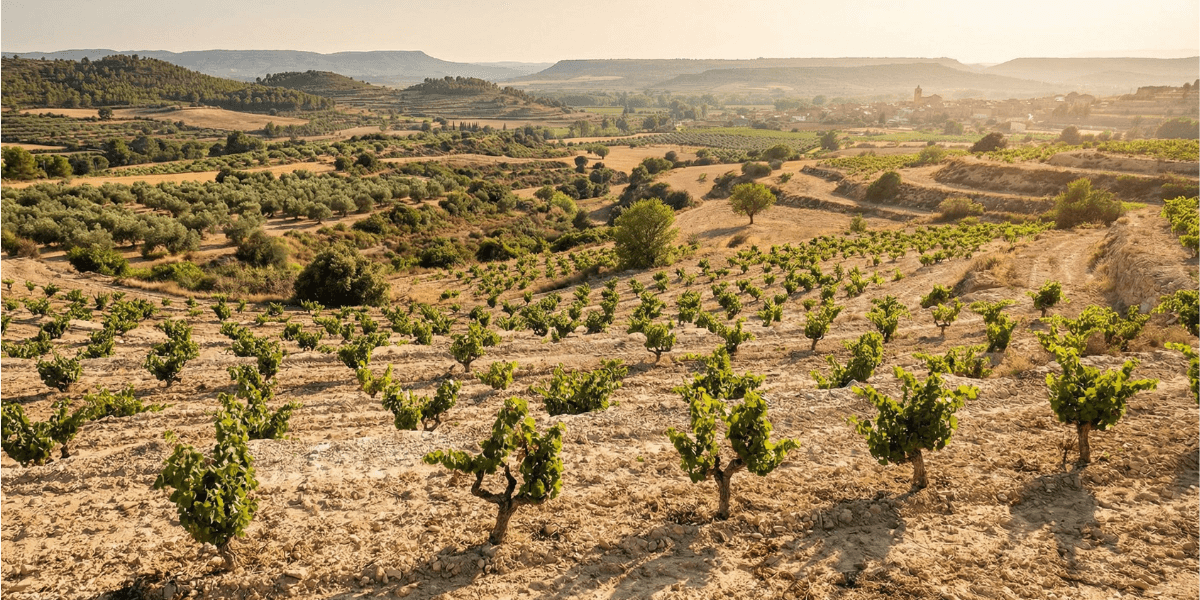
The region features wetlands, rice fields, and Mediterranean mountains. It also preserves a traditional agroforestry mosaic. Here, vineyards and other crops grow alongside protected natural areas, including Natura 2000 sites and regional parks.
Thanks to MAB certification, local products-such as rice, olive oil, and wine grapes-gain added value. They reflect a commitment to sustainability, heritage, and biodiversity. This is especially relevant in a region like Terra Alta, where viticulture shapes the economy and the landscape.
Beyond conservation, MAB recognition promotes innovation in farming practices: soil regeneration, biodiversity corridors, water use efficiency, and landscape integration.
Celler La Botera: sustainable wine rooted in a living landscape
Celler La Botera is located in Batea, at the heart of Terra Alta’s winegrowing history. The winery operates within one of the few territories in Europe where a traditional viticultural area overlaps with a UNESCO-designated biosphere reserve. This intersection between cultural heritage and environmental stewardship gives Celler La Botera a position that is both grounded and forward-looking.
Working under the conditions of a biosphere reserve means more than following sustainable guidelines. It implies farming with awareness of local limits and ecological interdependence. Water scarcity, soil structure, and biodiversity corridors are not theoretical concerns. They shape the way vineyards are managed. For Celler La Botera, this translates into a low-intervention philosophy rooted in traditional knowledge and site-specific practices.
The winery focuses on native grape varieties that are well adapted to the region’s poor soils and extreme climatic conditions. Vineyard work is done with attention to long-term soil health, minimal erosion, and landscape integration. Local stone terraces, natural vegetation borders, and rainwater retention methods are part of daily viticultural logic, not marketing strategies.
In a context where many sustainability claims remain vague, Celler La Botera offers something different: traceable, verifiable coherence between product, place, and production. This is especially relevant for wine professionals seeking not just quality, but origin-based authenticity with real environmental commitment.
Celler La Botera does not separate winemaking from territory. Its identity is inseparable from the Mediterranean landscape it inhabits and protects. That connection between land, method, and message is becoming one of the most valuable assets in the international wine trade.
Beyond Terra Alta: wine in other biosphere reserves
Spain’s network of biosphere reserves includes other key wine regions. For example:
- Sierra de las Nieves (Andalusia): where mountain viticulture is re-emerging with climate-conscious practices.
- La Rioja Biosphere Reserve: covering parts of the Iregua, Leza and Jubera valleys, with small producers investing in biodiversity and low-intervention winemaking.
- Menorca: where viticulture coexists with protected coastal and inland ecosystems.
While not all are known for high-volume production, these areas show how the MAB framework can shape viticultural identity. They promote practices such as cover cropping, dry farming, native varietals recovery, and integrated pest management-all crucial in a warming climate.
A sustainable positioning in trade and communication
Being part of a biosphere reserve doesn’t just influence how a wine is produced. It also aligns the wine with a growing segment of the market that values integrity, transparency, and environmental coherence.
Restaurants and sommeliers are curating selections that reflect more than just style or origin. They look for wines that carry a narrative of responsibility-products that reflect care for the land, cultural continuity, and authenticity. Wines from MAB-certified regions can meet these expectations in a way that feels both tangible and credible.
Consumers, too, are looking beyond the label. Their preferences are increasingly shaped by values such as sustainability, ethical sourcing, and traceability. When a wine comes from a protected landscape with recognised ecological value, it tells a story that resonates.
For importers and distributors, responding to these shifts is not about following a trend. It’s about anticipating what the most engaged and influential segments of the market already expect. Representing wines from biosphere reserves is a way to offer coherence between product, place, and principle.
Winegrowers also point to the role of wine tourism in reinforcing this connection. Visitors who experience the landscape and philosophy behind these wines often become their most committed ambassadors.
Culture, landscape, and product: a unified story
In regions like Terra Alta, the biosphere label reinforces the unity between cultural identity and agricultural practice. Dry-stone walls, terraced slopes, and traditional grape varieties are not just heritage-they are active elements in sustainable viticulture.
Wineries in these territories often collaborate with local institutions on landscape restoration, biodiversity monitoring, and heritage recovery, which further roots the product in its place of origin.
That connection matters. It adds depth to wine storytelling and creates long-term loyalty among professionals and final consumers.
A growing model for the wine industry
Combining wine production with MAB principles requires balance. It’s not enough to produce a great bottle. Producers must also protect the land, apply traditional knowledge, and follow sustainable methods.
This approach offers clear benefits. Producers can build strong brand stories and appeal to conscious consumers. However, it also involves challenges. These include higher production costs, training needs, and long-term planning.
For wine professionals (distributors, importers, sommeliers), wines from areas like Terra Alta, or from wineries like Celler La Botera, present a smart choice. They combine quality and authenticity with real environmental engagement. This trend continues to grow in European, American, and global markets.
More regions could follow this path. The MAB model offers inspiration for wine territories worldwide. Can they adapt similar principles to local realities? And how might that shift affect international trade?