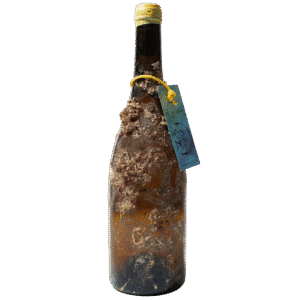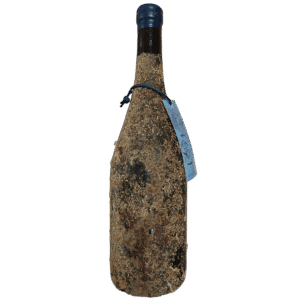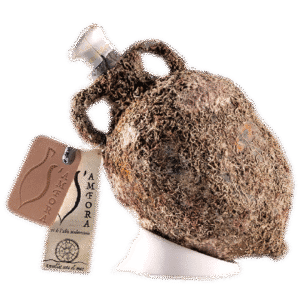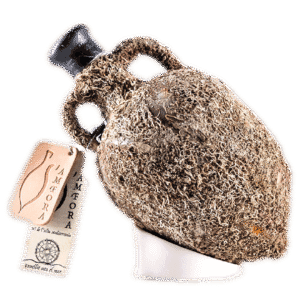

In the world of wine, where tradition and innovation often meet in unexpected ways, underwater aging has emerged as one of the most intriguing experiments in contemporary winemaking. Submerging bottles in the sea is not a visual gimmick. It represents a technical and sensory trial that blends science, intuition and nature.
When the ocean replaces the cellar
Underwater aging involves placing bottles or amphorae in the sea for a controlled period, typically six months. The seabed offers constant temperatures, total darkness, stable pressure and continuous yet gentle movement. As a result, this creates an environment that cannot be replicated on land.
At twenty meters below the surface, wine evolves slowly and silently. Molecular structures shift, tannins soften and tertiary aromas develop more quickly. Therefore, the sea becomes a chamber of refinement that is not only physical but also symbolic. Each bottle undergoes transformation, reconnects with its origins and gains a new narrative.
How underwater aging works
Winemakers begin by carefully selecting the base wine, focusing on structure, acidity and aging potential. After bottling or transferring the wine into amphorae, they secure the vessels in stainless steel cages that withstand pressure and protect them from marine currents and wildlife.
Site selection plays a crucial role. It must offer the right balance of salinity, temperature and calm marine dynamics. Off the coast near the Ebre Delta, Celler La Botera has found an exceptional location. Here, the wines rest for six months at a depth of twenty meters. The water temperature remains steady between 12 and 15°C. Pressure reaches around 3 bar, while the sea’s gentle and constant movement enhances the process.
In this setting, the wine benefits from limited oxygen exposure. The underwater environment naturally shields it from oxidation. Moreover, controlled micro-oxidation, facilitated by pressure, supports the balanced development of aromas and textures without compromising freshness or varietal character.
Why age wine under the sea: technique, emotion and origin
This method is not just about novelty. For producers like Celler La Botera, the sea acts as both a technical partner and a poetic element. It accelerates certain processes, enhances integration and adds a textural dimension to the wine.
On a symbolic level, submerging a bottle resembles sending it on a return journey. From vineyard to sea, from the familiar to the unknown. In regions like Terra Alta, where viticulture shares its story with the memory of the Mediterranean, this connection adds meaning and depth.
The sensory profile of submerged wines
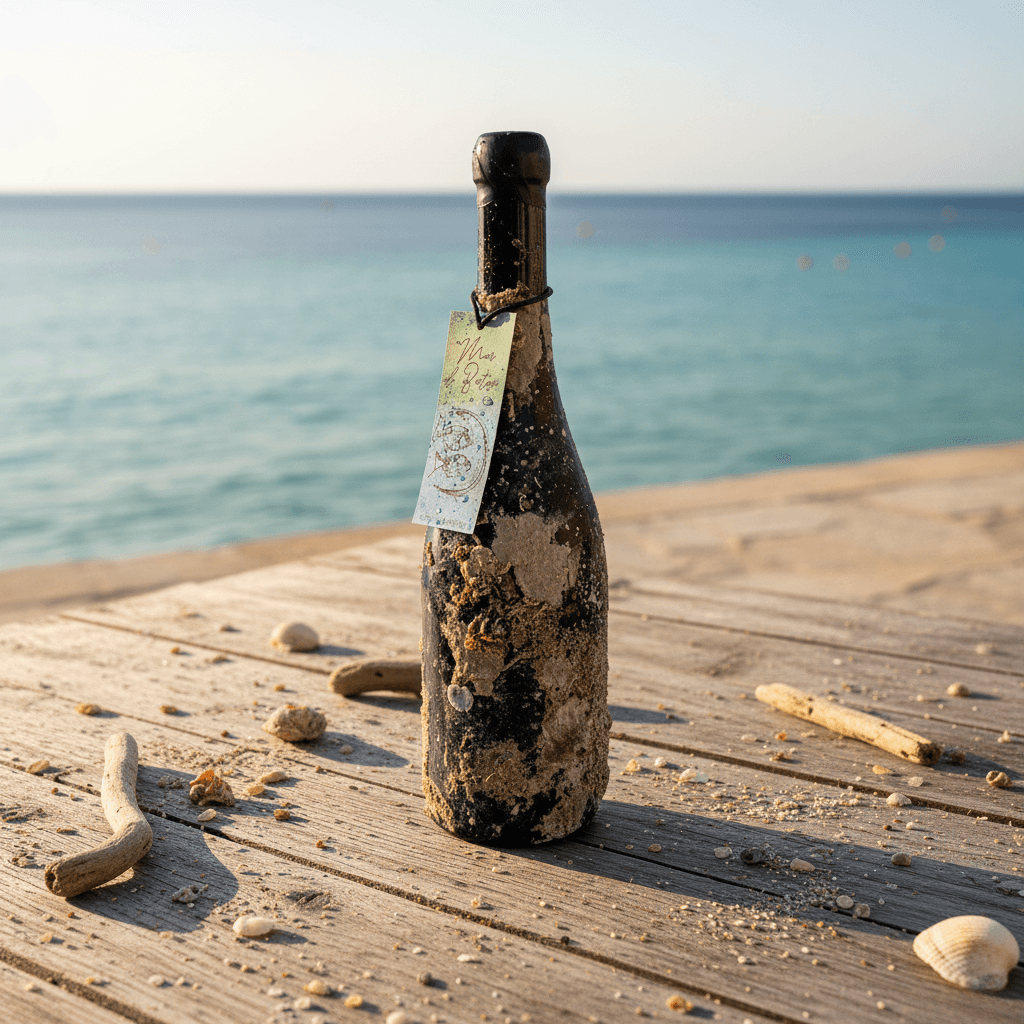
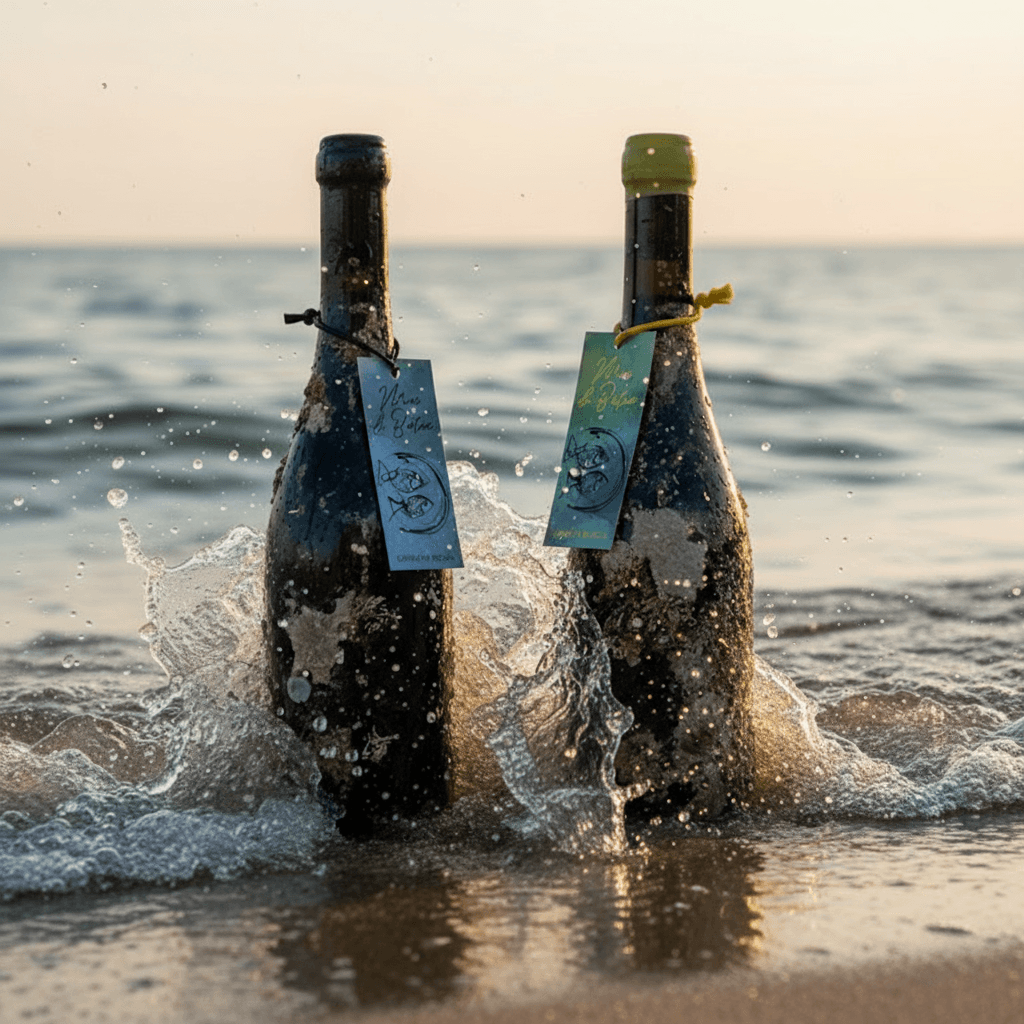
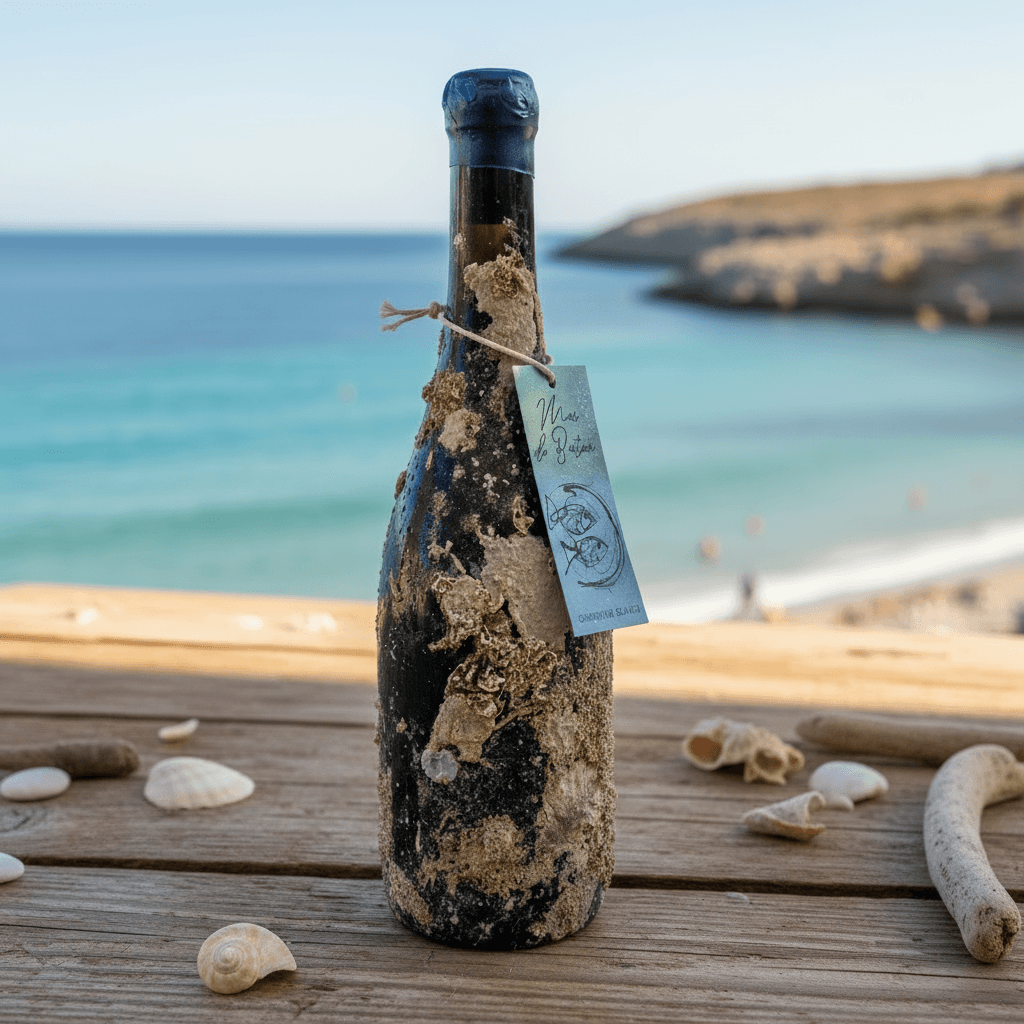
Wines aged underwater develop recognizable traits. For instance, whites like Mar de Batea Blanc, made from Garnacha Blanca, show defined citrus and floral notes, a silky texture and a delicate saline finish. In S’Àmfora Mudèfer Blanc, the combination of oak and amphora aging under the sea brings volume, creaminess and complex minerality not found in traditional maturation.
Red wines like Mar de Batea Negre, made from Garnacha Peluda, become smoother and more expressive without losing tension or vibrancy. Meanwhile, S’Àmfora Mudèfer Negre, a blend of Cariñena and Garnacha Negra, reveals smoky notes, fine spice and deep fruit, showing surprising harmony due to the dual aging process.
These are not radically different wines. Instead, they offer more refined and textured interpretations of their origin. It feels as if the sea had polished every edge without erasing their authentic character.
Celler La Botera: from Terra Alta to the Mediterranean depths
With these four wines, two whites and two reds, Celler La Botera does not simply follow the underwater aging trend. Rather, it redefines the approach using its own landscape. The fossilised sand soils, dry climate and high-altitude vineyards of Terra Alta interact with the deep, steady and almost secret waters of the Mediterranean.
Each submerged bottle reflects a balance of contrast and continuity. From the golden tones of S’Àmfora Mudèfer Blanc to the vibrant fruit of Mar de Batea Negre, these wines deliver an experience that goes beyond taste. They speak of silence, time and unseen pressure. Ultimately, they may point to a new way of understanding aging, not as waiting but as immersion.